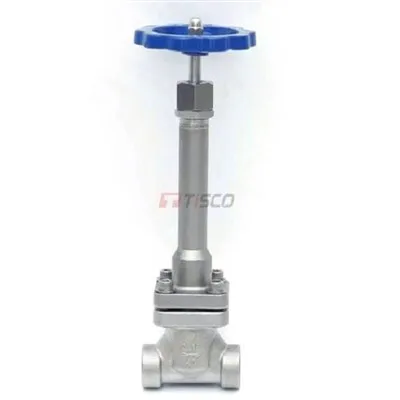
The sealing performance of a valve refers to its ability to prevent media leakage at each sealing point. It is the most important technical performance indicator of a valve.
There are three sealing points on a valve: the contact point between the sealing surfaces of the opening and closing element and the valve seat; the mating point between the packing and the valve stem and stuffing box; and the connection point between the valve body and the valve cover. Leakage at the first point is called internal leakage, commonly known as incomplete closure, which affects the valve's ability to cut off the media. For shut-off valves, internal leakage is unacceptable. Leakage at the latter two points is called external leakage, meaning the media leaks from inside the valve to the outside. External leakage causes material loss, environmental pollution, and in severe cases, accidents. For flammable, explosive, toxic, or radioactive media, external leakage is even more unacceptable; therefore, valves must have reliable sealing performance.
Other Requirements
1. The assembled valve must be purged with nitrogen for at least 1 minute.
2. The airtightness test must be conducted using pure nitrogen.
3. After passing the airtightness test, the valve should be sealed with a clean polyethylene cap. The polyethylene cap should be soaked in organic solvent and wiped clean before use.
4. Then seal it in a vacuum bag.
5. Finally, pack it into a box.
6. Take measures to ensure the packaging is not damaged during transportation.