How to Choose the Right Valves for Marine & Shipbuilding Applications?
Valves used in shipbuilding must withstand:
High resistance to seawater corrosion
Stable performance under vibration and ship motion
Reliable sealing to prevent leakage
Compact design and easy maintenance
Clearly defined pressure and temperature ratings
Compliance with marine standards and class approvals

Common marine valves include gate valves, butterfly valves, globe valves, ball valves, and check valves, widely applied in ballast water systems, sea water cooling systems, fuel oil systems, fire fighting systems, and cargo piping systems.
Marine valves are typically manufactured in carbon steel, stainless steel, duplex stainless steel, or bronze materials, with flanged or welded connections, and are available with class society approvals such as ABS, DNV, LR, BV, and CCS.
Common Valve Types Used in Shipbuilding
1.Gate Valves
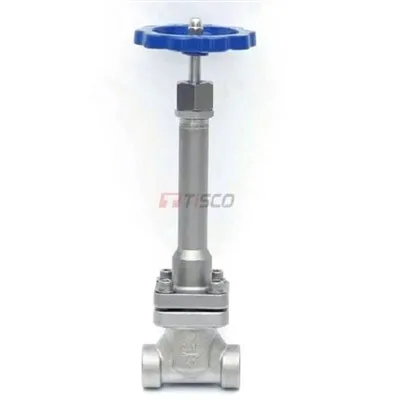
Gate valves are mainly used for on/off isolation in marine piping systems.
Typical applications:Ballast water systems,Seawater pipelines,Fuel oil isolation lines
2.Butterfly Valves
Butterfly valves are widely used in shipbuilding due to their compact structure and light weight.
Typical applications:Ballast water systems,Seawater cooling systems,Fire fighting systems,
Space-saving design,Suitable for large diameters,Cost-effective for marine projects
3.Globe Valves
Globe valves are selected where precise flow control is required.
Typical applications:Fuel oil systems,Lubrication oil systems,Steam or high-temperature services
4.Ball Valves
Ball valves are commonly used in smaller pipelines and auxiliary systems.
Typical applications:Fuel oil line,Instrumentation systems,Utility piping
5.Check Valves
Check valves are essential for preventing reverse flow and protecting pumps and equipment.
Typical applications:Pump outlets,Cooling water systems,Ballast systems
Material selection depends on the working medium and corrosion conditions.
Seawater-Duplex / Super Duplex Stainless Steel, Bronze
Fresh Water-Carbon Steel, Stainless Steel
Fuel Oil-Carbon Steel, Stainless Steel
Chemical Media-Stainless Steel, Alloy Steel
High-temperature Steam-Alloy Steel
Common Connection Types
Marine valves are typically supplied with:
Flanged connections,Butt weld connections,Wafer or lug type (for butterfly valves)
Flanged connections are the most common in shipbuilding due to ease of installation and maintenance.
Standards and Class Approvals
Marine valves are usually manufactured according to international standards such as ASTM, ASME, EN, and JIS, and can be supplied with approvals from major classification societies, including ABS, DNV, LR, BV, and CCS.